Nazifa was born on September 20, 2001, in the small village of Cha Bolbol, Afghanistan, in the heart of Herat province. Her family belonged to the Kuchi ethnicity, a people of nomadic herders who move following the seasons and wind tracks.
She grew up amid dust and the call of animals, in a fragile, unaware childhood that soon had to face suffering.
When she was a few years old, her body began sending signals no one knew how to interpret. In a country without hospitals or available doctors, hope relied on faith and ancient remedies. But the evil did not leave, and the child remained trapped in pain that neither her family nor the community could understand.
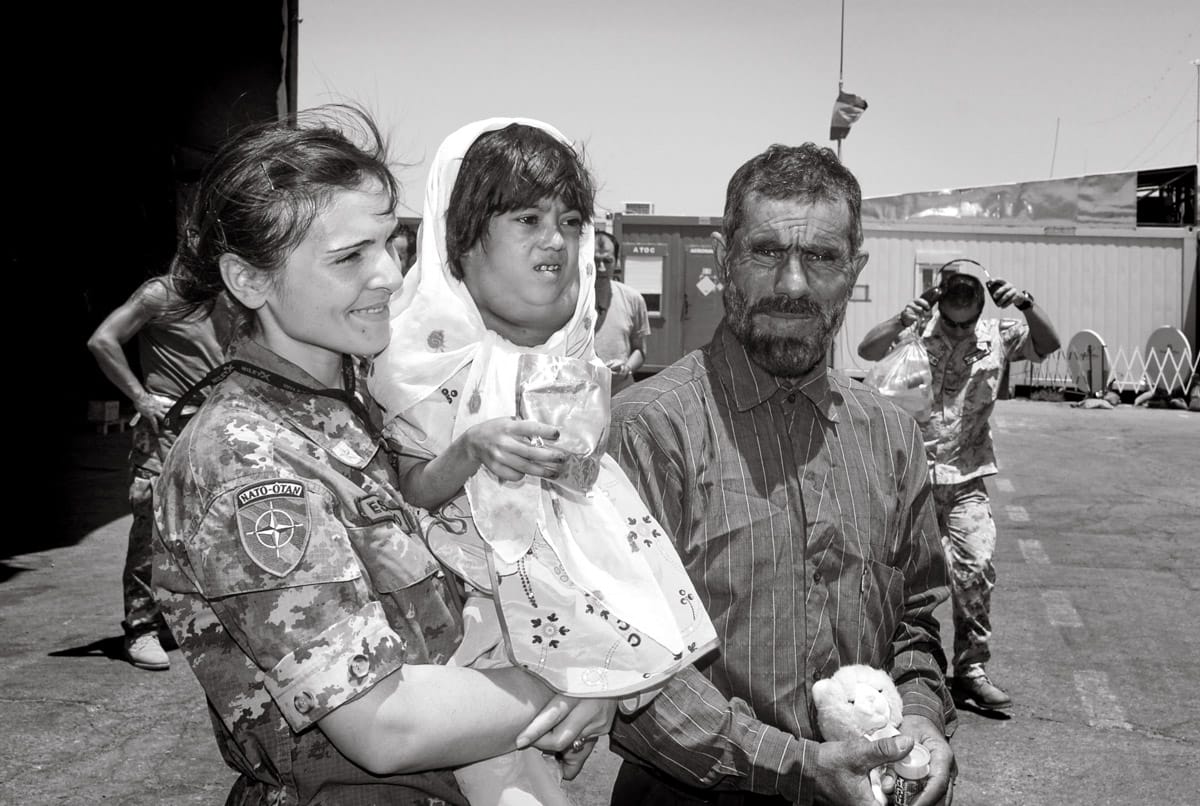
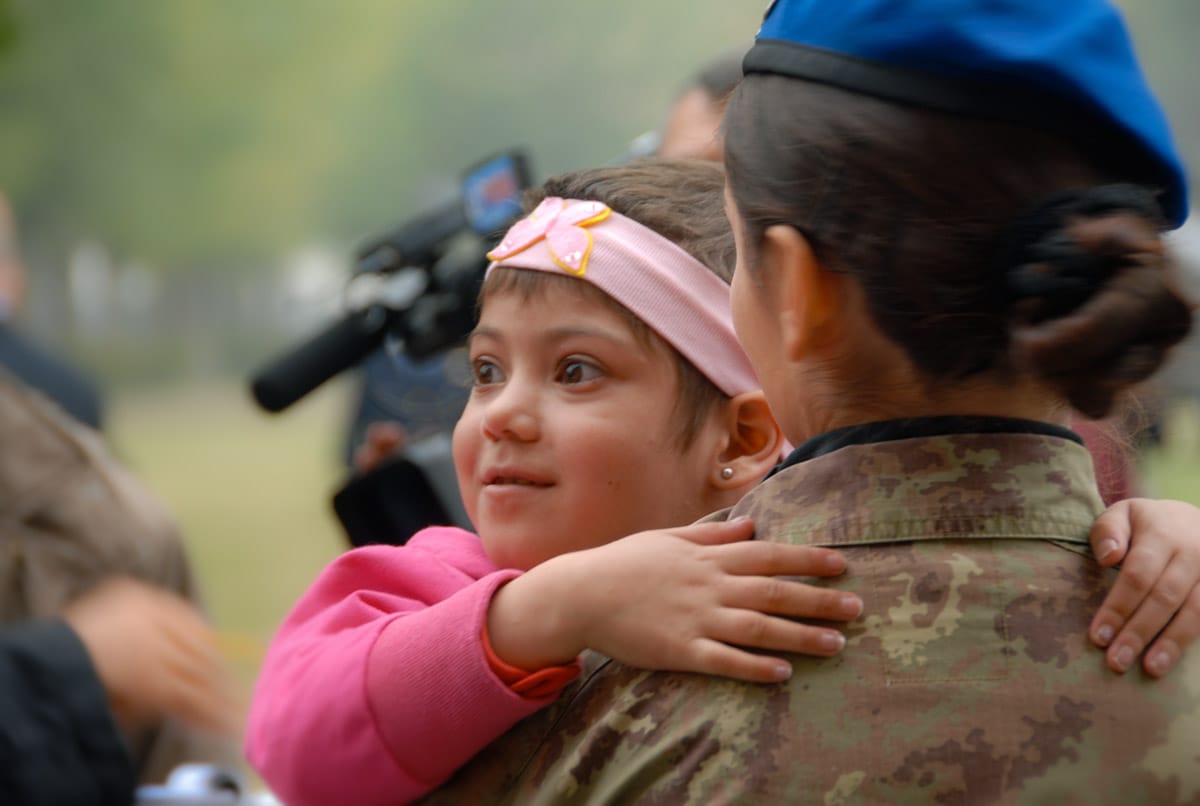
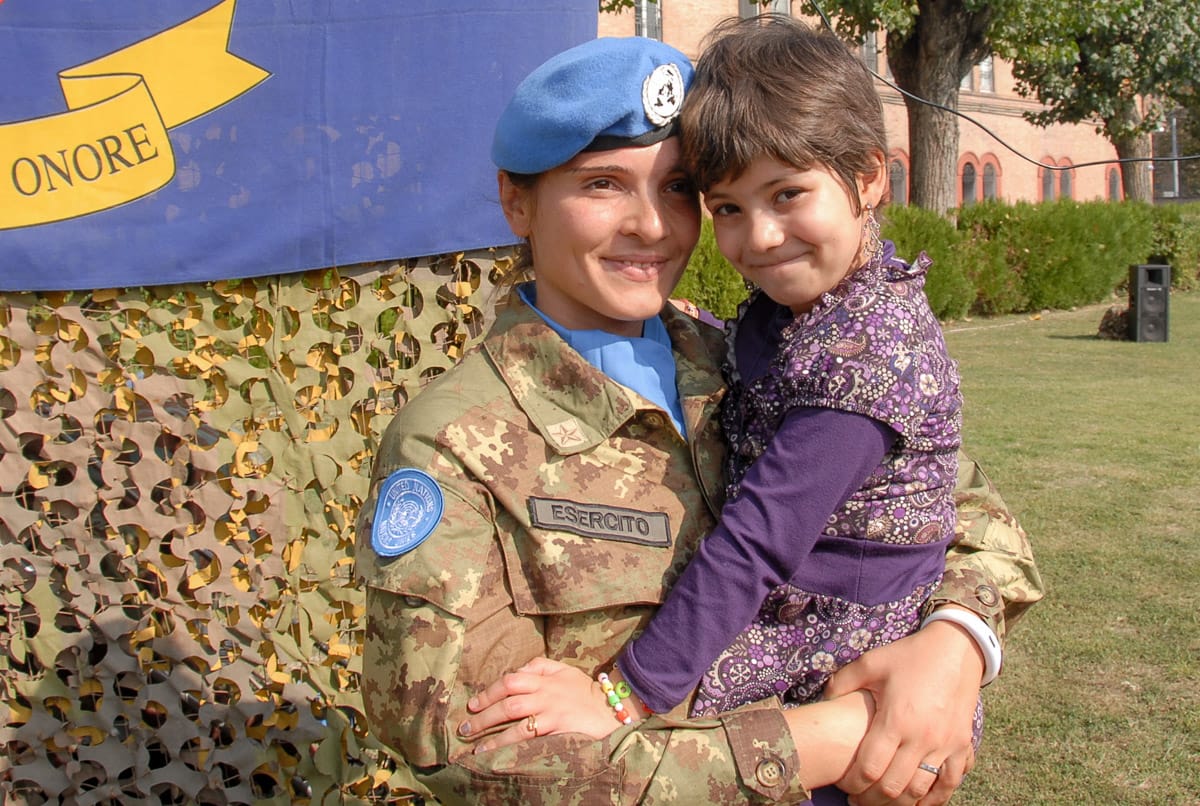
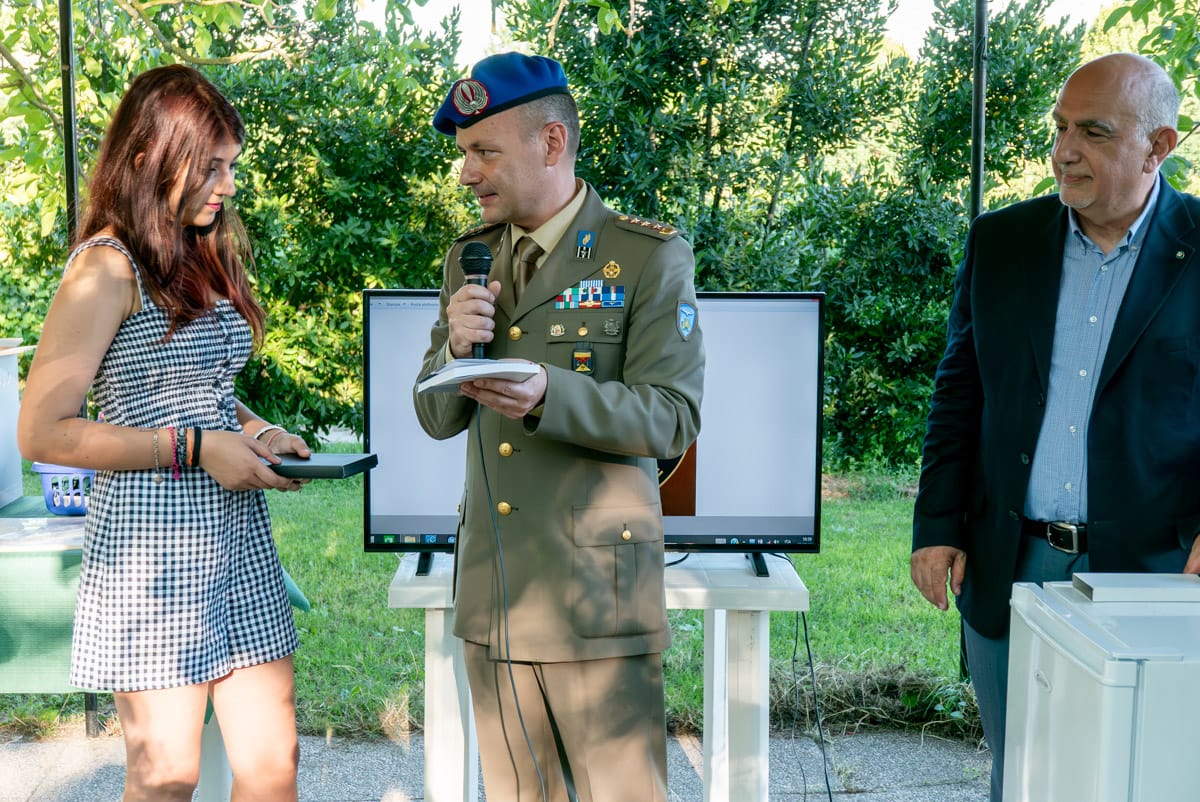
In 2008, the encounter that would change the course of her life happened almost by chance: the Italian contingent of the Friuli Airborne Brigade, engaged in the NATO mission in Herat, had opened a clinic for the local population. A doctor saw the child and understood that destiny could not end there.
From that moment, a chain of solidarity was set in motion — officers, officials, doctors, and volunteers — all driven by the idea that even one life, if saved, can give meaning to an entire collective commitment.
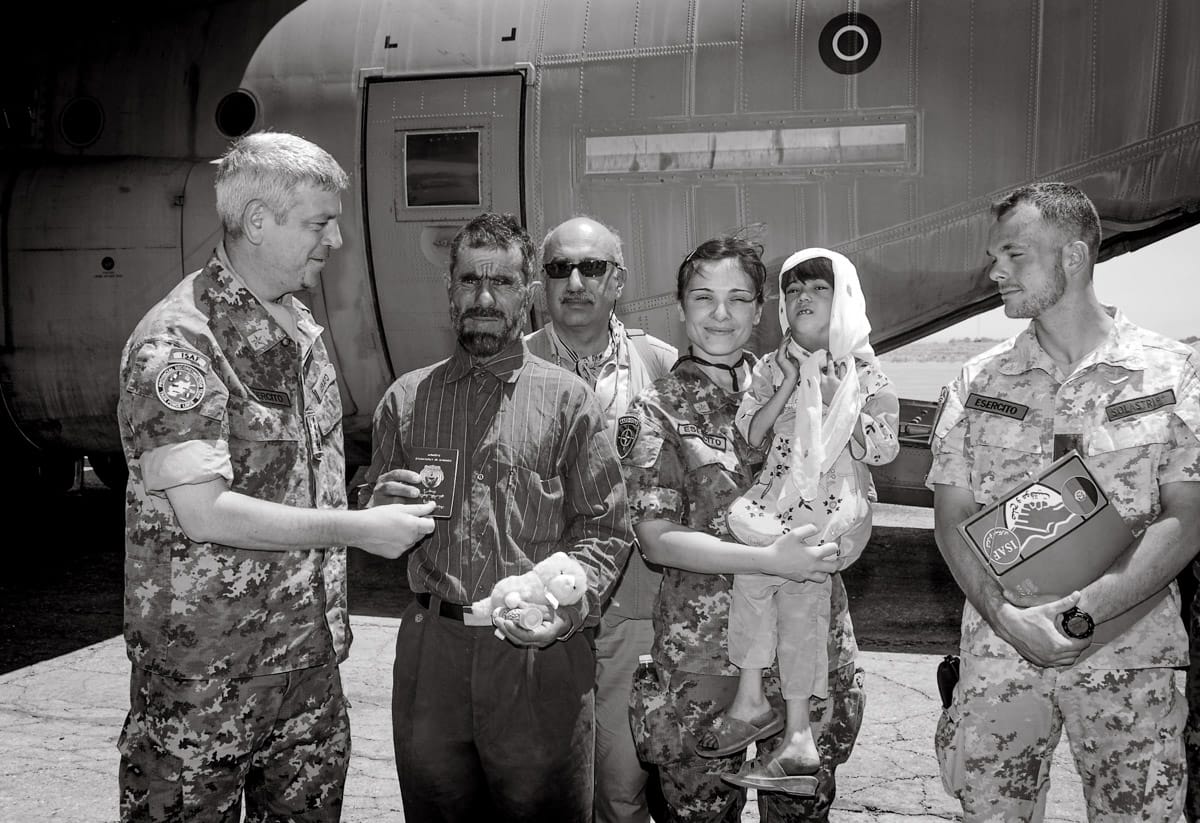
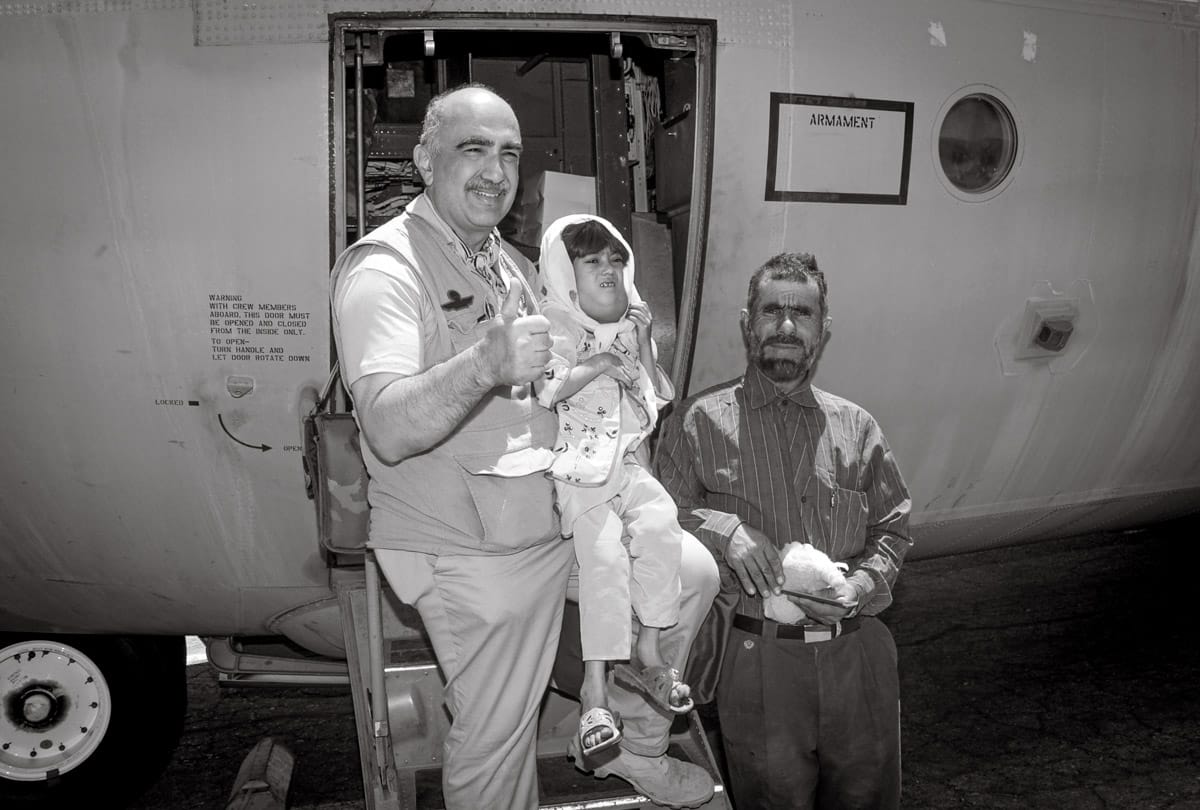
On July 11, 2008, an Italian Air Force plane departed from Herat for Pisa. On board were Nazifa and Roberto Faccani, commander of the Bassa Romagna Civil Protection.
The man who left on a mission soon became the child’s adoptive father, giving her not only a future but a true family.
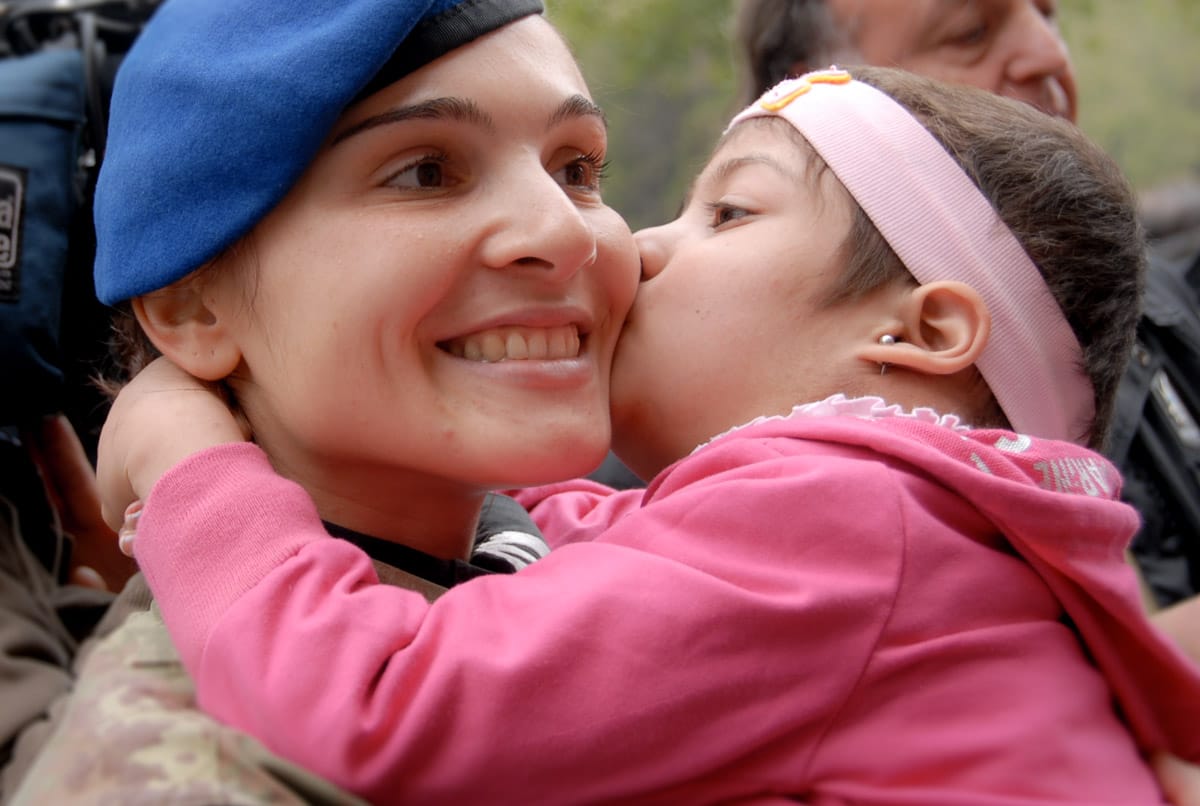
In Bologna, at Sant’Orsola, Nazifa found the care she needed and the welcome of a country ready to open its arms to her. She discovered language, school, games, and above all normality — that daily life which in the Afghan camps was a distant dream.
When her classmates asked her about the Taliban, she replied calmly:
“They are very nervous people who always want to fight.”
And to the question of what she wanted to do when she grew up, she would say smiling:
“I want to help my people.”
Nazifa had become a sensitive, curious young woman full of gratitude toward the land that welcomed her. She always moved with gentleness, like someone who knows the value of every simple gesture. Her strength was made of discretion, and her smile was the most sincere form of courage.
Over the years, her story became an emblem of solidarity and humanity.
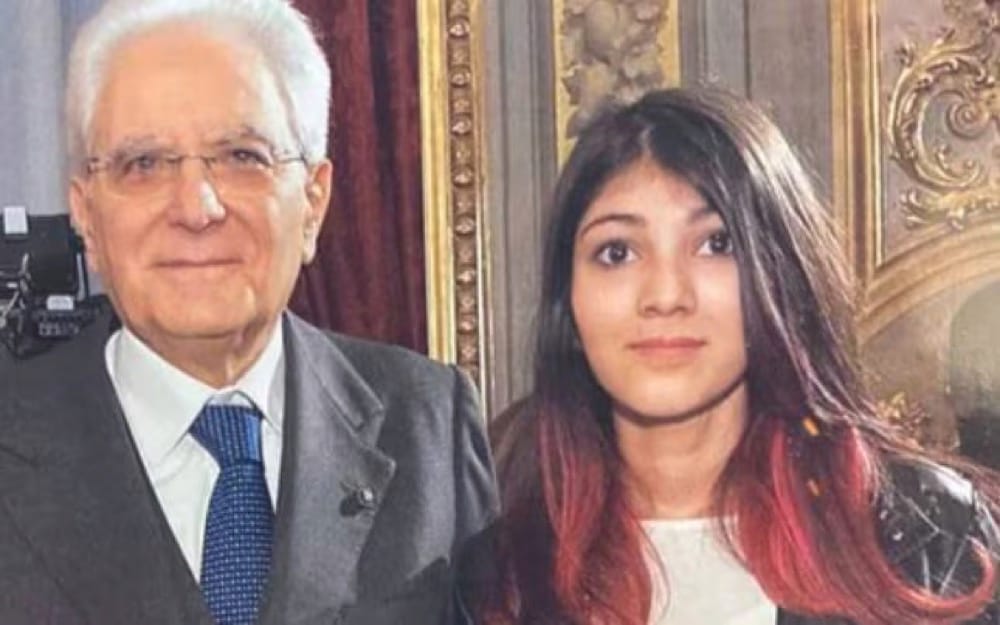
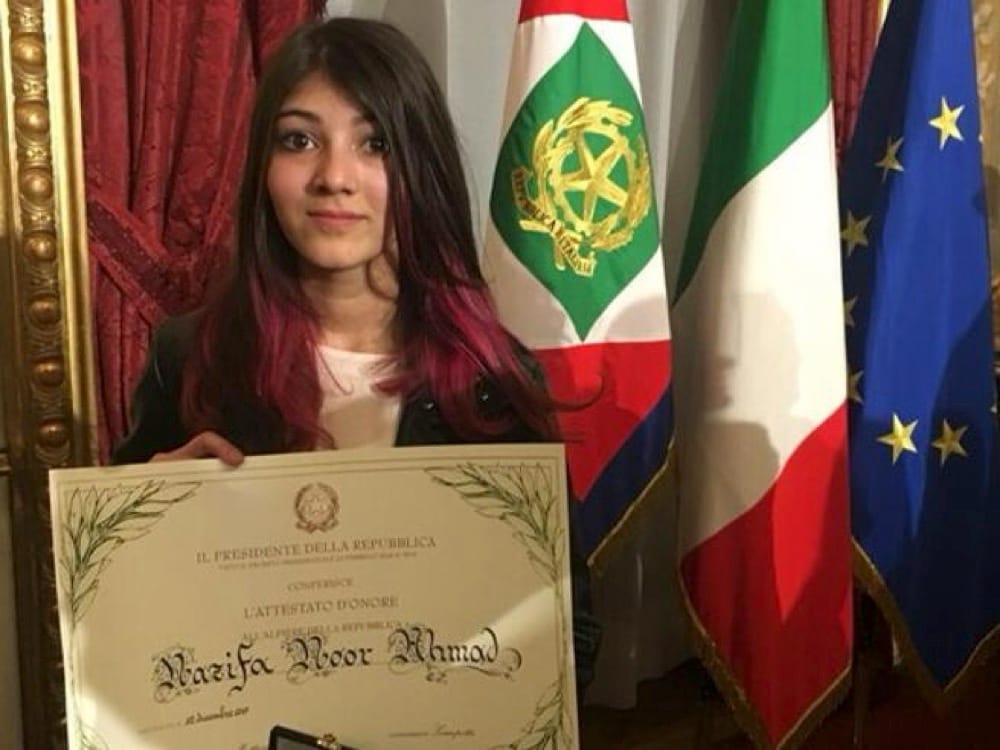
For the civil and moral value of her testimony — an extraordinary example of resilience, integration, and commitment to others despite the difficulties faced — the Italian President of the Republic awarded her a recognition for civil merit.